Skip to content

ARCHIV · Albrecht Dürer

Engravings

Print as an autonomous language

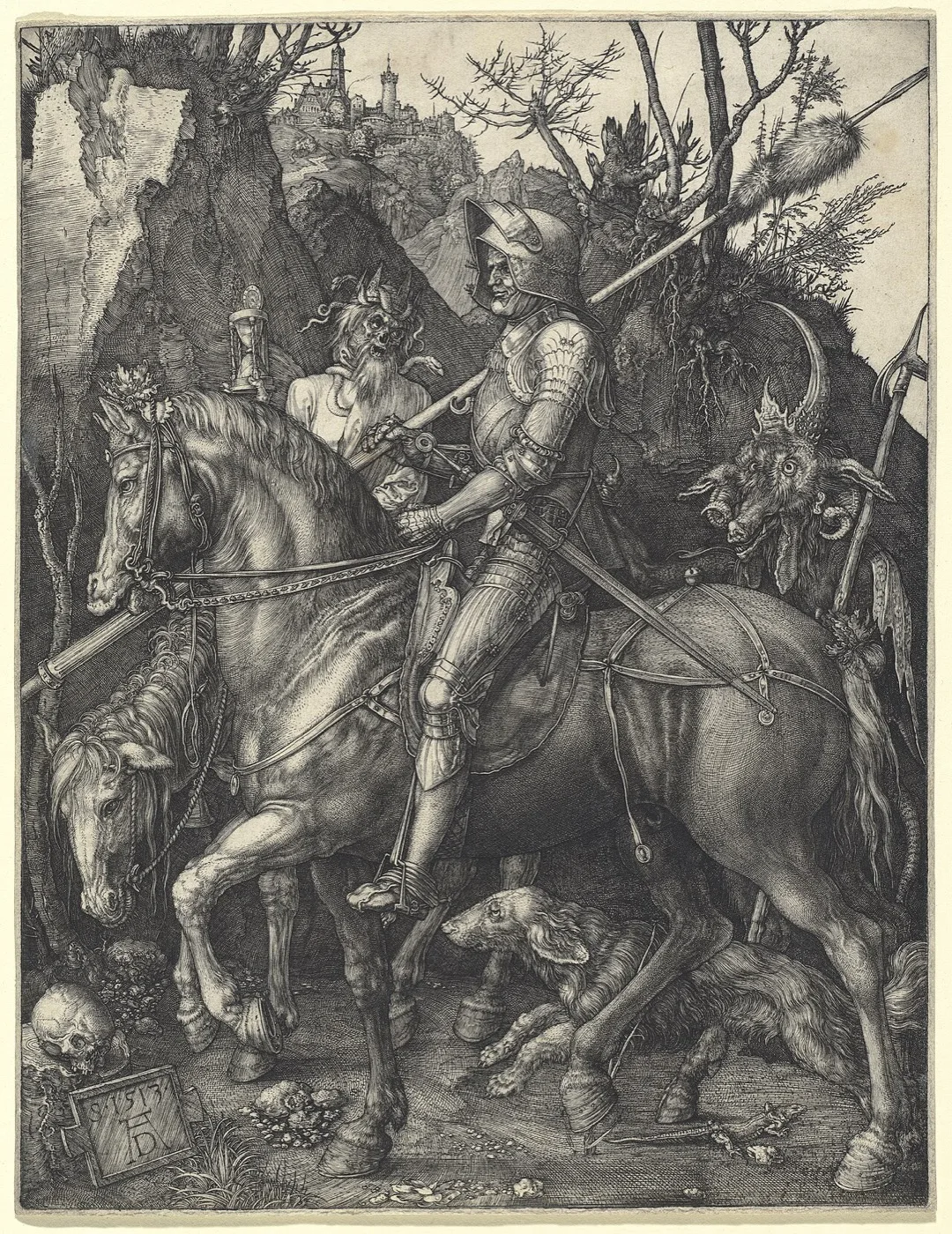
Knight, Death and the Devil, engraving by Albrecht Dürer, 1513
Knight, Death and the Devil · 1513 · NGA, Washington

For Dürer, the print is not a workshop accessory: it is the medium through which image becomes science, narrative and European merchandise.

Why print is central

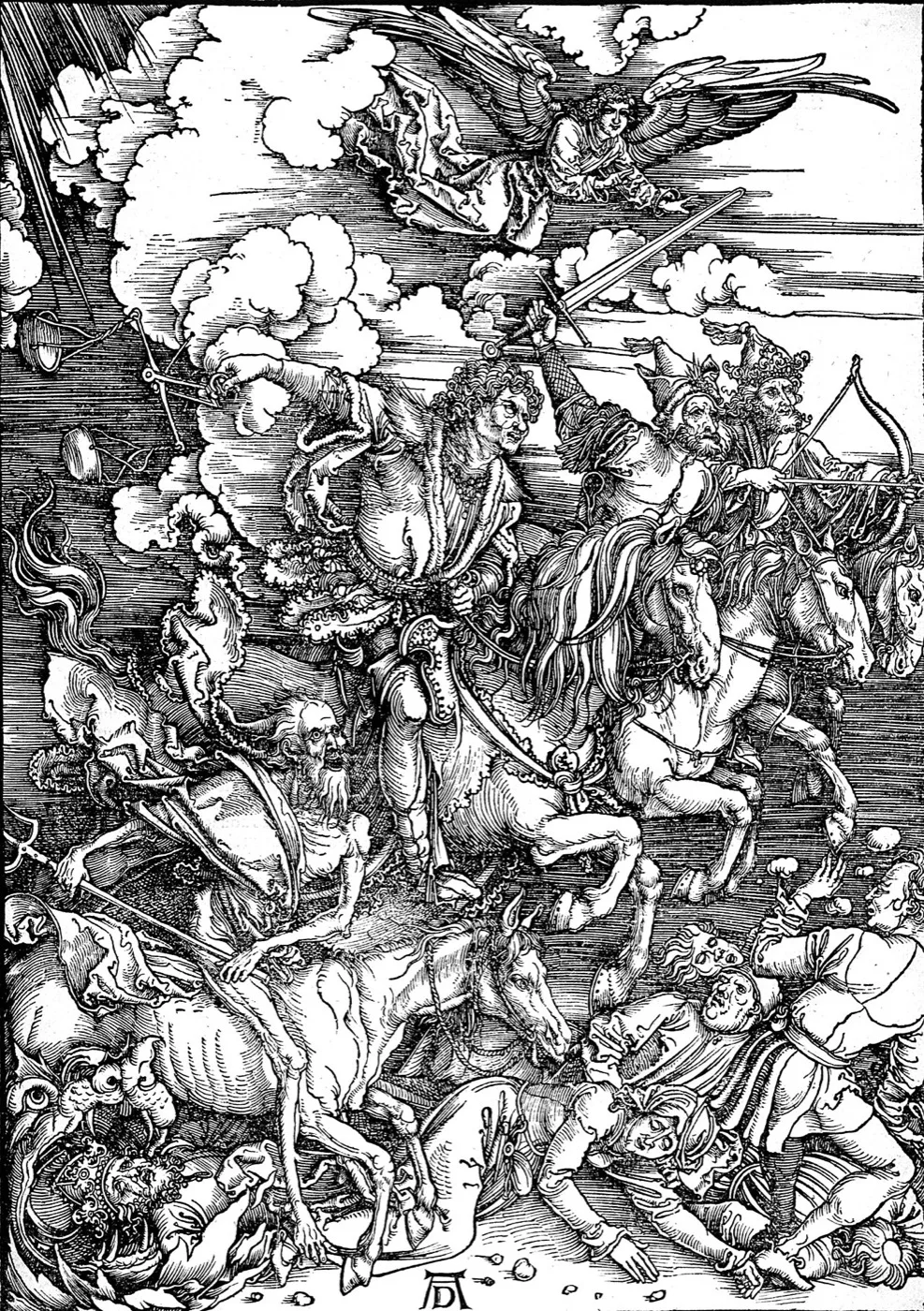
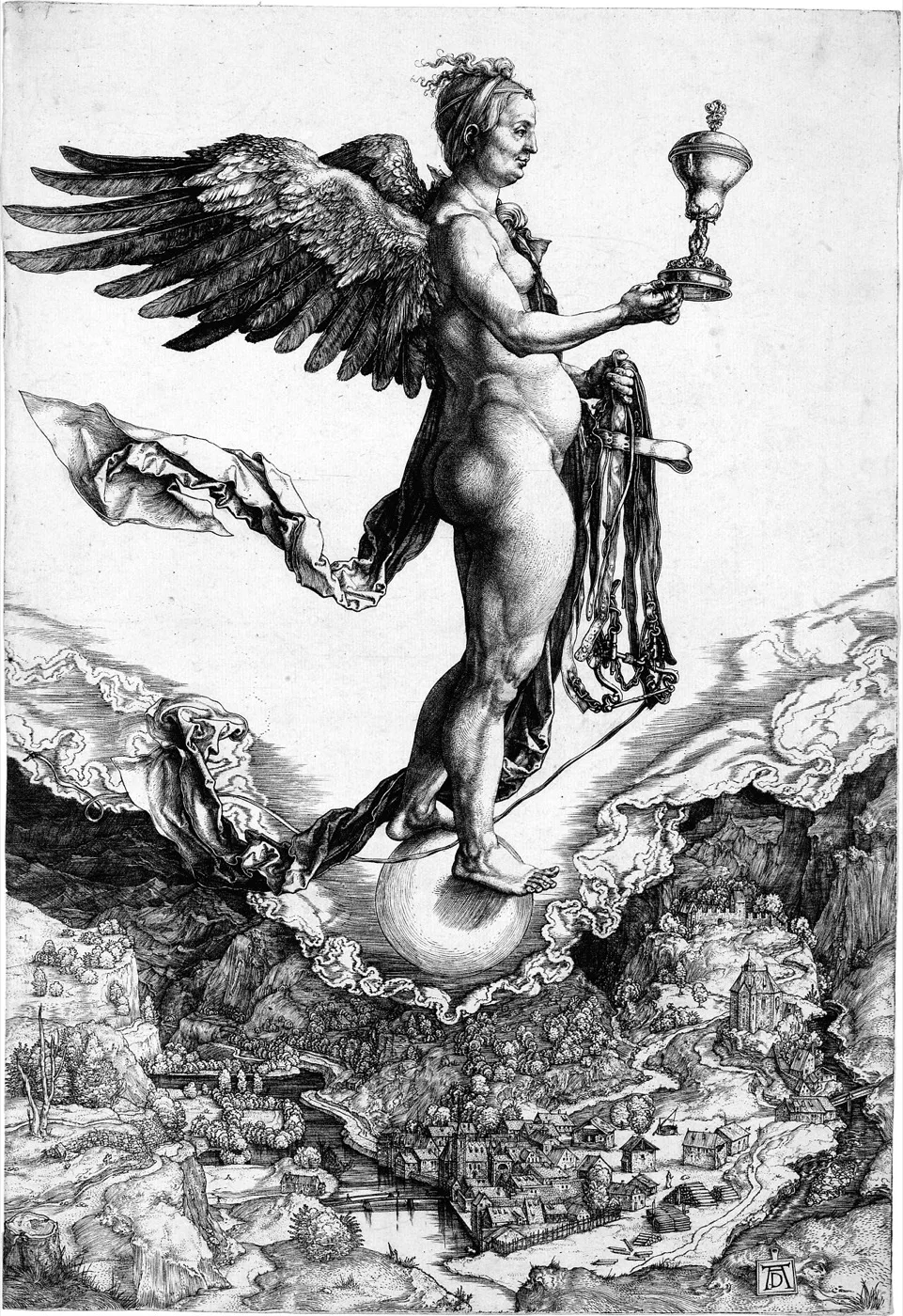
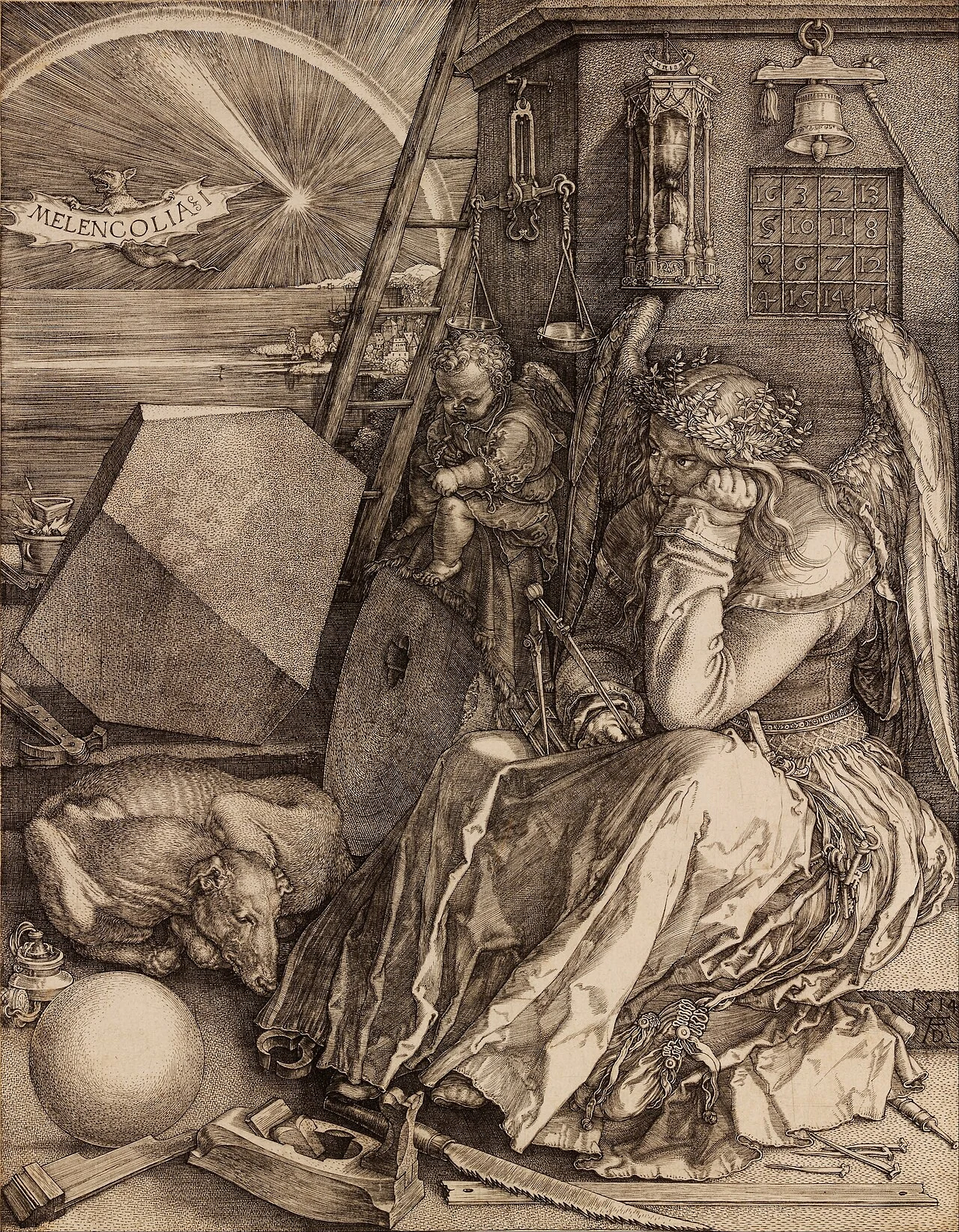
In Nuremberg, printing enabled serial reproduction. Dürer designed narrative cycles (Apocalypse, Large Passion, Life of the Virgin) and single plates of unprecedented density (Melencolia I). The work travelled without the artist accompanying each impression — birth of transmissible image.

Wood, burin, print

Woodcut

Line cut in coated wood; narrative formats, sharp contrasts. The image is reproducible in hundreds of copies — foundation of European diffusion.

Engraving

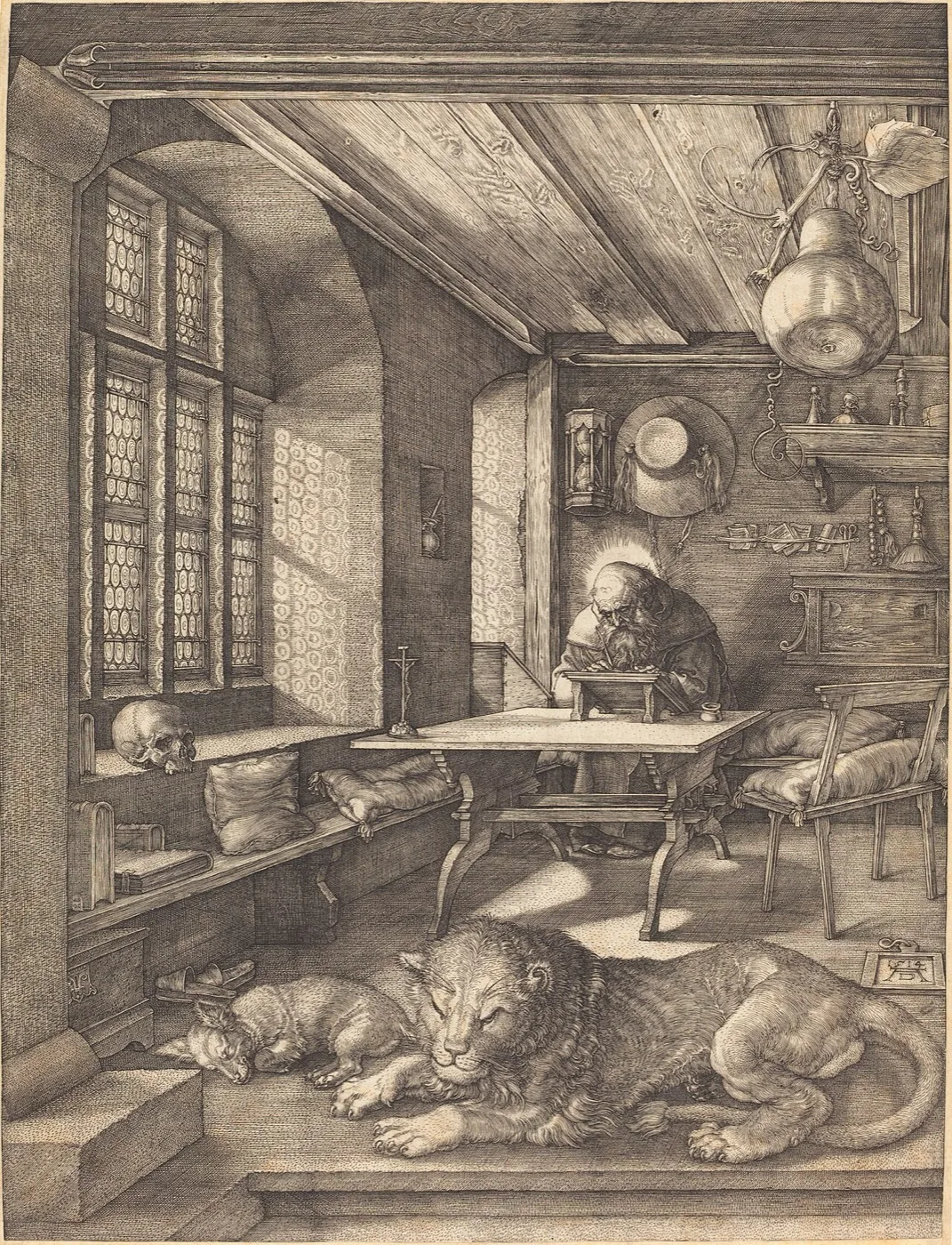
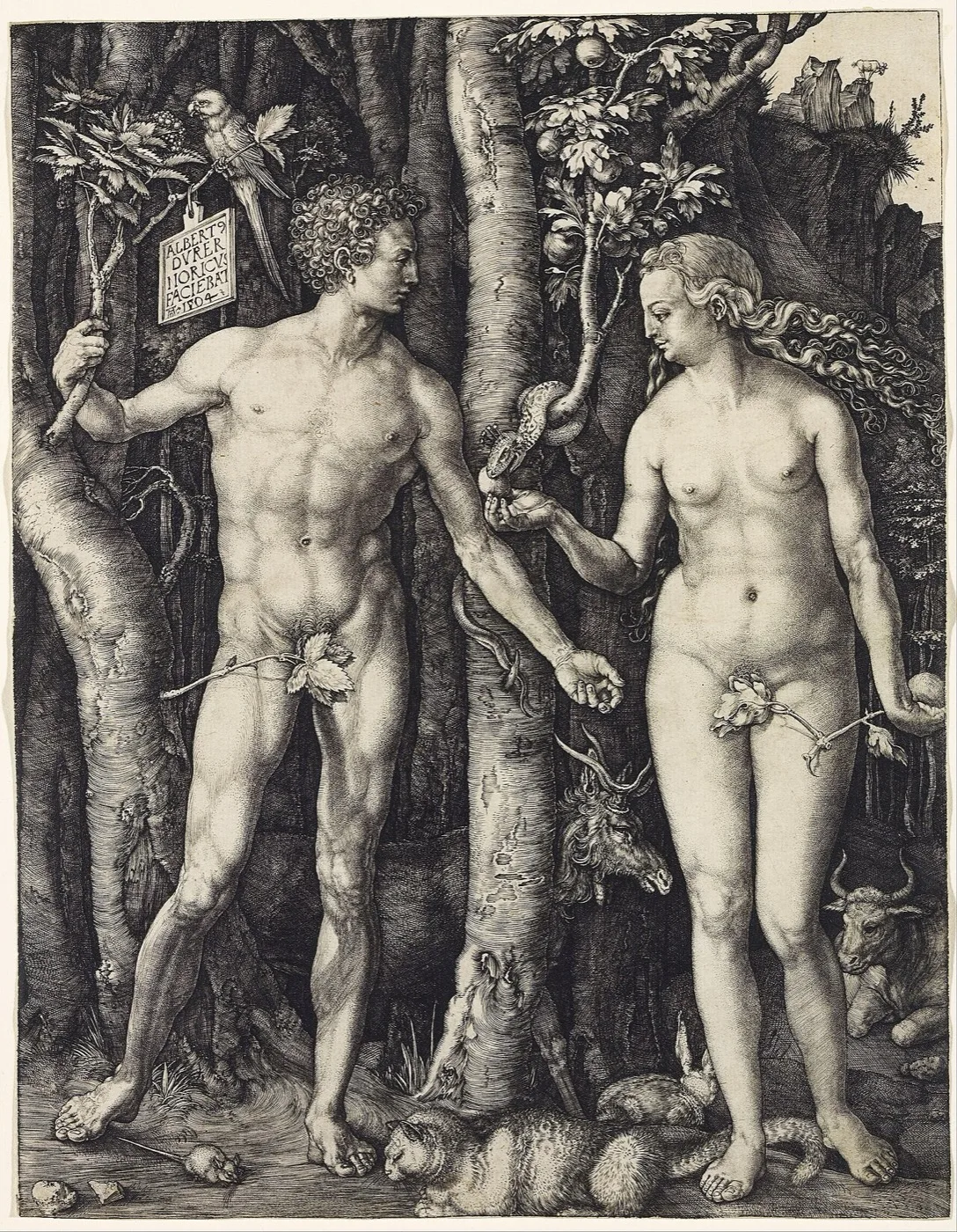
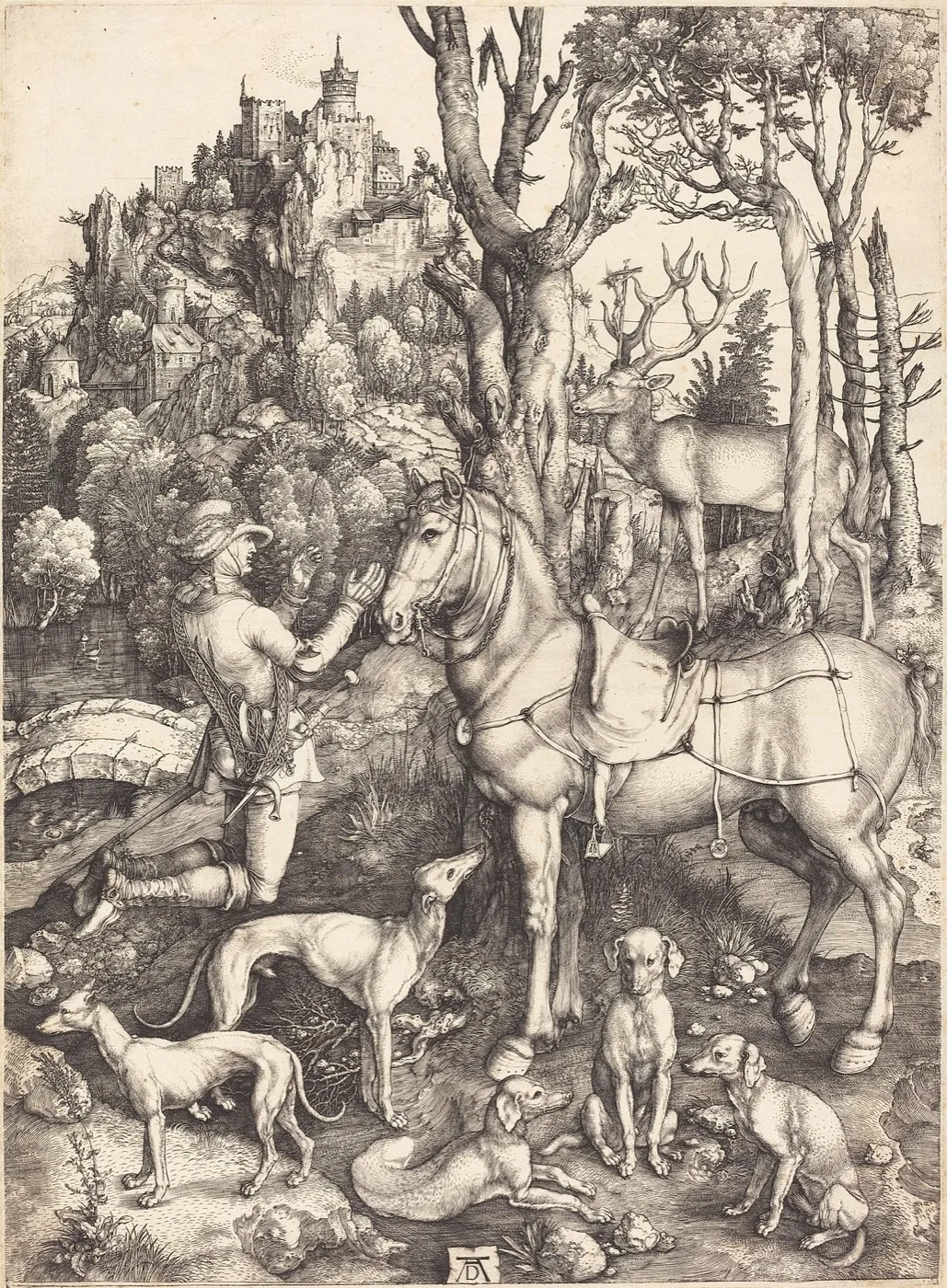
Incision in copper; modelling by hatching, precise light. The three master prints of 1513–1514 (Knight, St. Jerome, Melencolia) reach an almost pictorial depth.

Print denotes the impression pulled from the matrix (wood or copper); for Dürer it becomes signature, authority and merchandise controlled from the Nuremberg workshop.

Diffusion and reputation

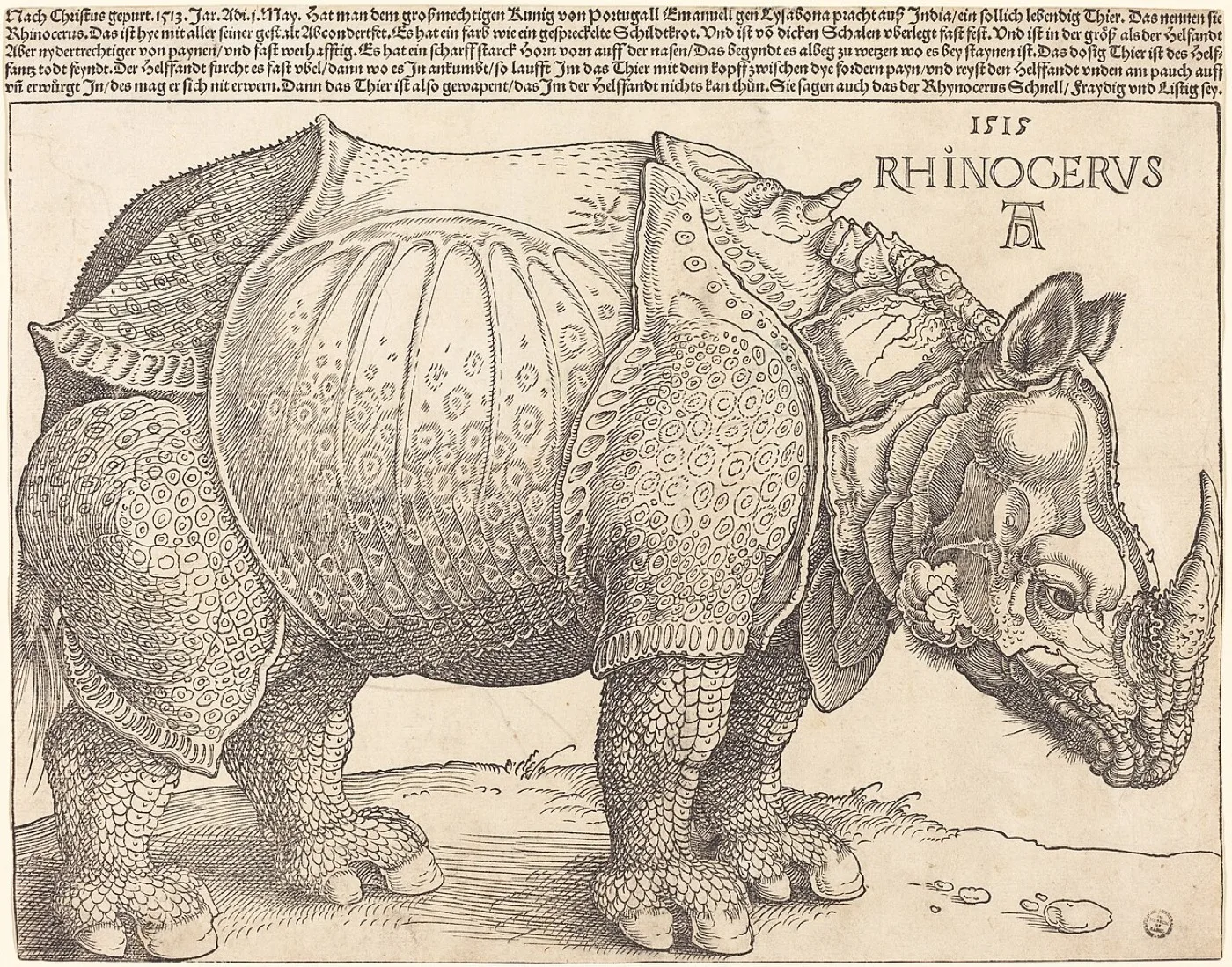
The Apocalypse established Dürer on the European market before his Italian stays. The Rhinoceros (1515), engraved from reports, circulated in thousands — proof that printed image could fix the continent's visual knowledge.

Three master prints (1513–1514)

Knight, Death and the Devil: moral proof. St. Jerome in His Study: light of the studiolo. Melencolia I: technical thought and creative melancholy.

Full catalogue

Collection

Major works

Woodcuts and engravings — NGA, Met, Cleveland sources.